

Client safety begins with the small things – manicure tools can be a hidden source of danger if not properly cleaned or sterilized. For a nail technician, there’s no room for compromise when it comes to hygiene. That’s why understanding the difference between disinfection and sterilization, knowing when to apply each step, and using the correct equipment are essential parts of a professional approach.
What Is Disinfection and Why Is It Important?
Before tools go into a sterilizer, they must undergo an initial cleaning step. Disinfection in a beauty salon is the first stage of processing during which dangerous microorganisms – bacteria, viruses, fungi – are removed from surfaces. This reduces the risk of infection for clients and helps prevent the spread of diseases in the salon. Disinfection is carried out using a disinfectant solution in a special container or ultrasonic cleaner. Instruments must be submerged for the time indicated in the product’s instructions. In the ultrasonic cleaner, the disinfectant is added to water at the concentration recommended by the manufacturer.
Just like sterilization, disinfection is mandatory after each use of a tool, regardless of the procedure performed.
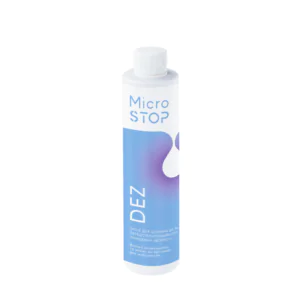
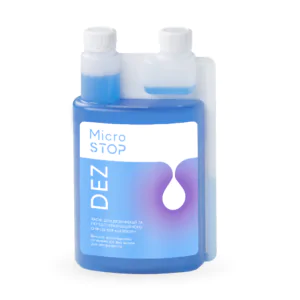
To ensure effective disinfection, choosing the right product is key. Modern MicroSTOP disinfectants not only eliminate pathogens but also preserve the quality of tools. Nail technicians can choose the product format and application method that best suit their needs:
- Concentrates. Suitable for various tool types. Must be diluted with water and are ideal for immersion-based deep disinfection.
- Sprays. Used for quick surface disinfection.
Effective disinfection requires a systematic approach: using certified products, following manufacturer instructions, and using high-quality containers – such as those from MicroSTOP. The next step is pre-sterilization cleaning (PSC), during which tools are thoroughly rinsed to remove disinfectant residue and then dried. Only after this are they ready for proper sterilization.
What Is Sterilization and Why Does It Matter?
Sterilization is the final and critically important stage that ensures the complete destruction of bacteria, viruses, and spores. While disinfection only reduces the number of microorganisms, sterilization eliminates them completely. For a nail technician, this means zero risk to the client’s health.
It’s not enough to simply own a sterilizer – it’s essential to follow sterilization protocols precisely. The most common sterilization methods today include:
- Dry heat sterilization. Uses hot air to thermally destroy microorganisms. Ideal for metal tools.
- Steam sterilization. Uses pressurized steam. Highly effective, though less commonly used in salons due to cost and operational requirements.
- Ethylene oxide sterilization. A gas method suitable for heat-sensitive materials. It requires strict control of temperature, humidity, and gas concentration, and must be done in sealed chambers with aeration to remove residue.
Sterilization rules are not just guidelines – they are part of a technician’s professional responsibility. The method chosen depends on the tools and equipment available, but the goal remains the same: ensuring client safety.
Disinfection vs. Sterilization: Which One to Choose and When?
Proper hygiene in the salon starts with a clear understanding of the differences between disinfection and sterilization. Disinfection is the first step after tool use, aimed at cleaning and eliminating most microbes from the surface. However, it’s not enough.
Sterilization is essential for complete decontamination – removing even the most resistant spores that disinfection can’t eliminate. That’s why both processes must be followed in sequence, with no exceptions.
For sterilization to be effective, tools must be completely clean and dry. They should be placed in special kraft sterilization pouches with indicators. These pouches maintain sterility after processing and allow for visual confirmation of sterilization, as the indicator changes color upon completion.
This approach ensures full compliance and allows the technician to prove proper instrument care to each client.
Tips for Nail Technicians on Disinfection and Sterilization
To achieve effective disinfection and sterilization, it’s not enough to follow the steps – it’s also crucial to use the right products and equipment. The disinfectant must be specialized, gentle on metal surfaces, and meet hygiene standards. Household cleaning products should never be used, as they don’t provide the level of sanitation required in professional settings.
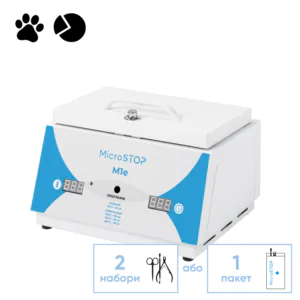
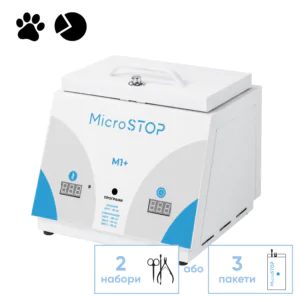
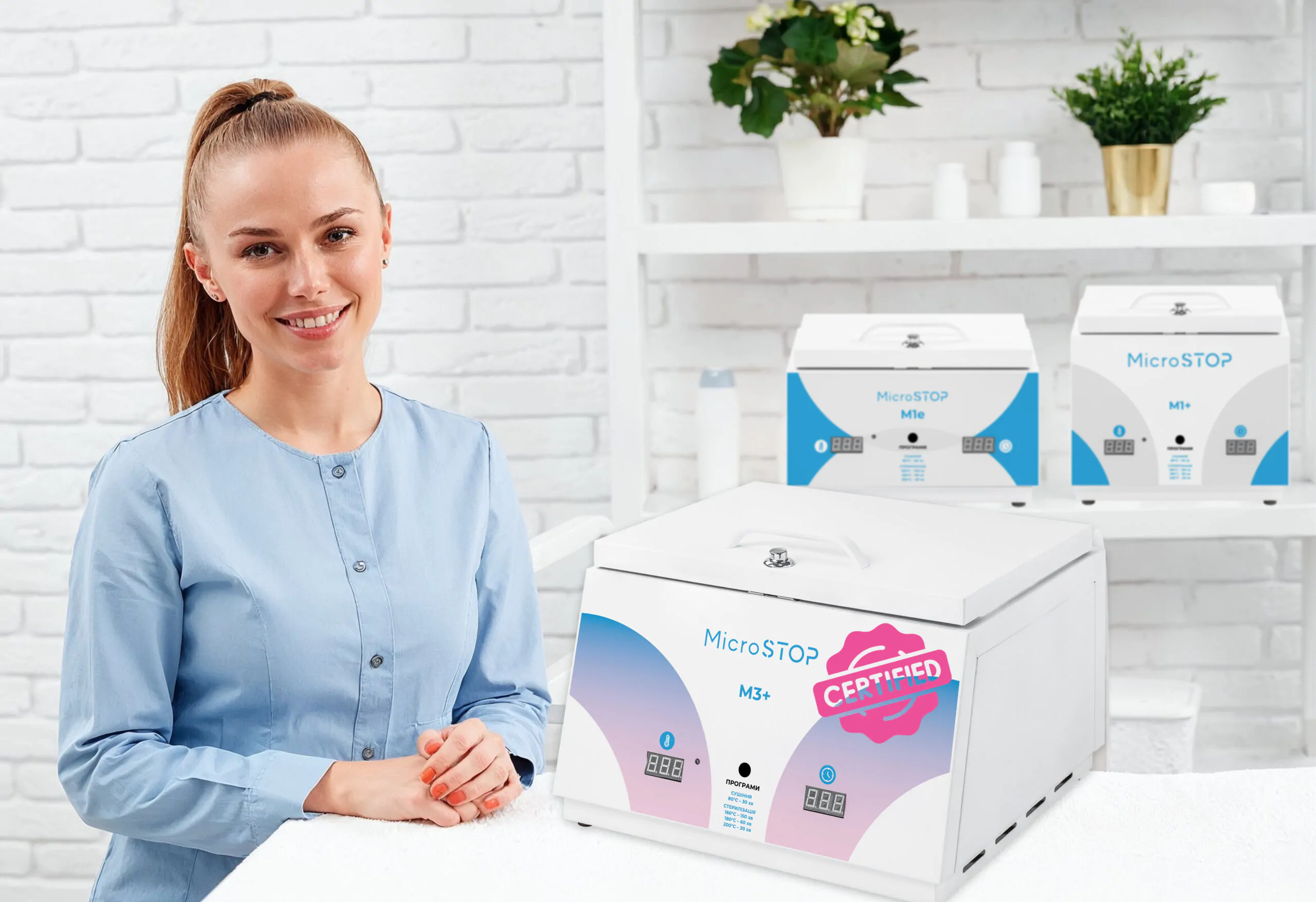
For high-quality sterilization, professional-grade equipment is necessary. A dry heat sterilizer is often the best option – it guarantees full sterilization in a short time. MicroSTOP offers modern models with digital controls that meet the requirements of Ukraine’s Ministry of Health. Every salon should be equipped with:
- A dry heat sterilizer
- Kraft sterilization pouches with indicators
- An ultrasonic cleaner or sealed disinfection containers with trays
- Certified disinfectants for tools and surfaces
Having a complete disinfection and sterilization setup makes daily hygiene processes easier and more reliable – essential for high-volume salons. Investing in proper equipment protects both your reputation and your clients’ health.
Conclusion
Following proper sanitation procedures isn’t just a formality – it’s a real safety guarantee. Systematic disinfection combined with professional sterilization reduces infection risks and builds client trust. That’s why using reliable products – modern dry heat sterilizers, kraft pouches with indicators, and effective disinfectants – is a must.
All these solutions are available in the MicroSTOP catalog. We create professional tools so that every procedure you perform is not only high-quality but also 100% safe.
May be of interest:




 Telegram
 Viber
Viber
 WhatsApp
